
Optimal Timing for Storm Restorations
Storm restorations are most effectively performed during periods of calm weather following severe weather events. Timing is crucial to ensure safety, optimal repair conditions, and to minimize further damage. The best window for storm restorations typically occurs once storm activity has subsided and weather conditions stabilize.
Conducting inspections immediately after a storm helps identify damage early and plan restoration efforts effectively.
Restorations should be scheduled during dry, calm weather to ensure safety and quality work.
Late fall and early spring often provide ideal conditions for storm repairs, avoiding peak storm seasons.
Assessing damage promptly allows for timely intervention, reducing the risk of further deterioration.
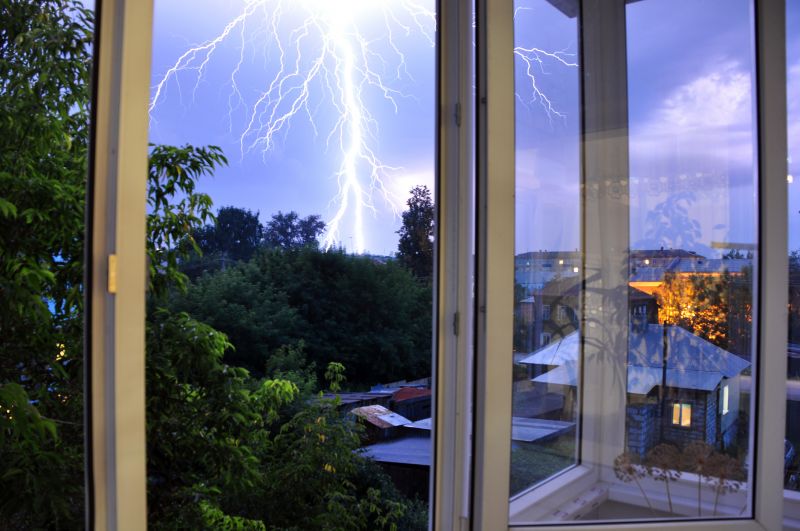
Ways to make Storm Restorations work in tight or awkward layouts.

Popular materials for Storm Restorations and why they hold up over time.
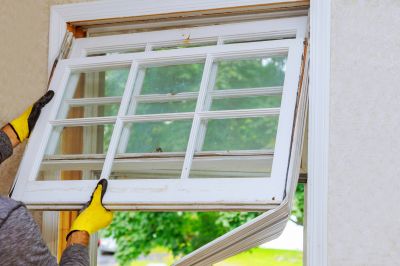
Simple add-ons that improve Storm Restorations without blowing the budget.
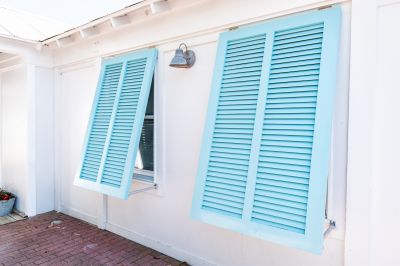
High-end options that actually feel worth it for Storm Restorations.
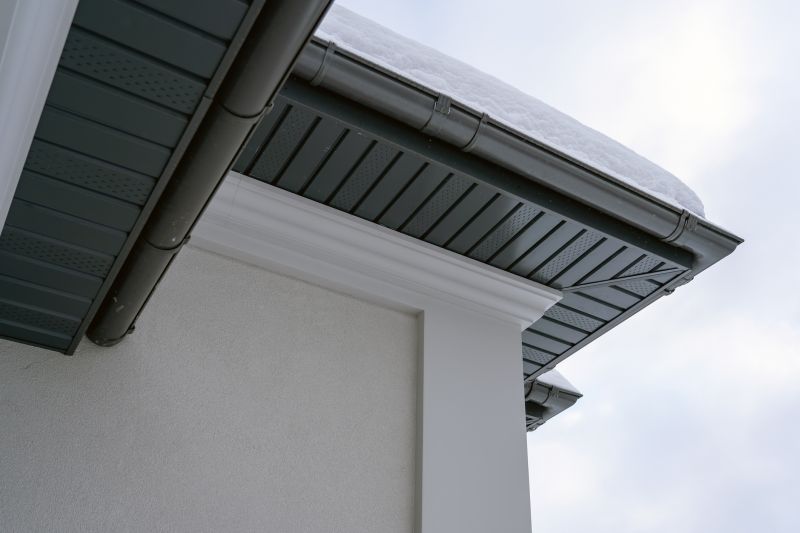
Finishes and colors that play nicely with Storm Restorations.

Little measurements that prevent headaches on Storm Restorations day.
Storm restorations encompass a range of repair activities designed to restore properties damaged by severe weather events. These efforts include roof repairs, siding replacements, window reinforcements, and structural assessments. Proper timing ensures that repairs are performed under optimal conditions, which can improve durability and reduce the likelihood of future damage.
Data indicates that the majority of storm-related damages occur during hurricane and severe thunderstorm seasons, which peak in late summer and early fall. Initiating restoration efforts promptly after storms can mitigate secondary damages such as water intrusion, mold growth, and structural weakening. Planning ahead for storm seasons can also facilitate quicker response and recovery.

A 60-second routine that keeps Storm Restorations looking new.
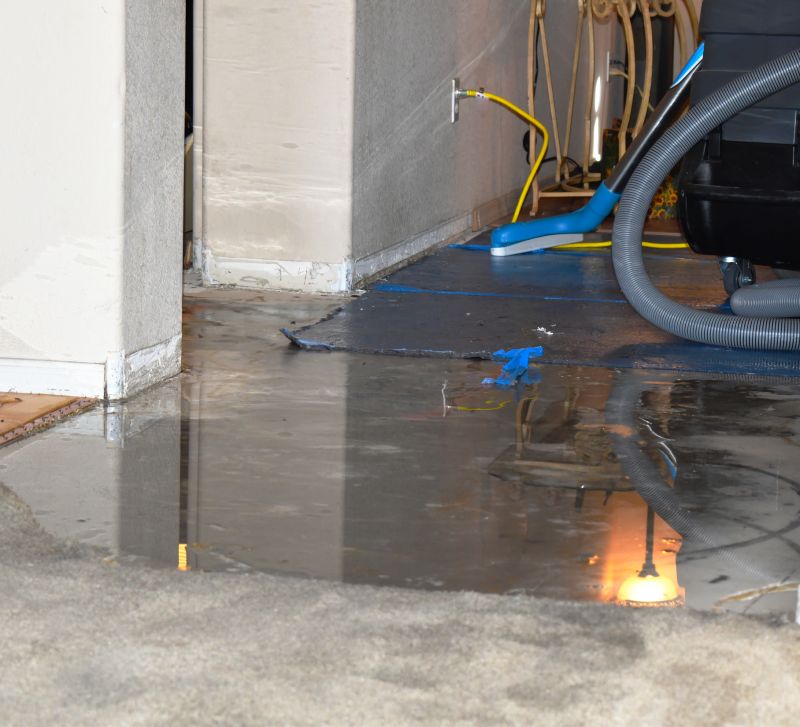
A frequent mistake in Storm Restorations and how to dodge it.

Small tweaks to make Storm Restorations safer and easier to use.
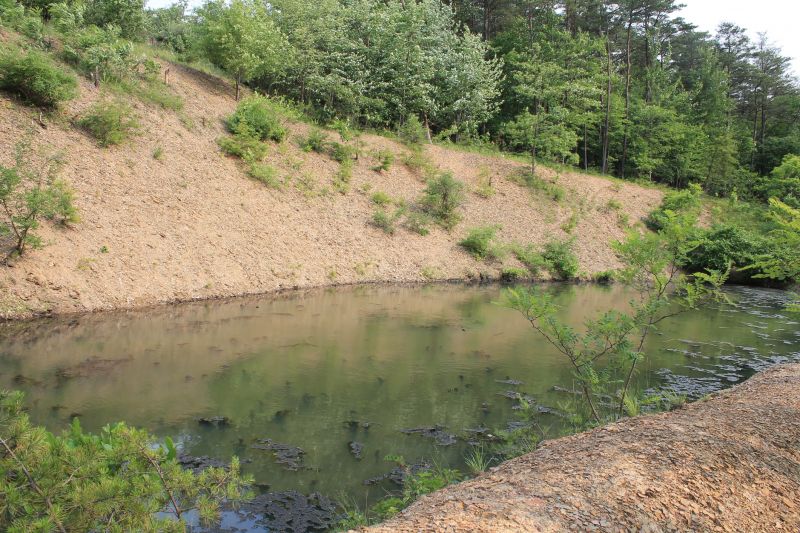
Lower-waste or water-saving choices for Storm Restorations.
| Aspect | Details |
|---|---|
| Ideal Post-Storm Window | Immediately after storm activity subsides |
| Weather Conditions | Dry and calm weather preferred |
| Peak Storm Season | Late summer to early fall |
| Assessment Timing | Within 24-48 hours after storm |
| Preparation Periods | Pre-season planning in late spring |
| Safety Considerations | Ensure safe working conditions before starting repairs |
| Impact of Delays | Increased risk of secondary damages |
| Optimal Restoration Timing | Within days to weeks after storm |
Timely storm restorations are essential for minimizing property damage and ensuring structural safety. Proper planning and execution during the appropriate periods can significantly reduce repair costs and improve long-term resilience against future storms.
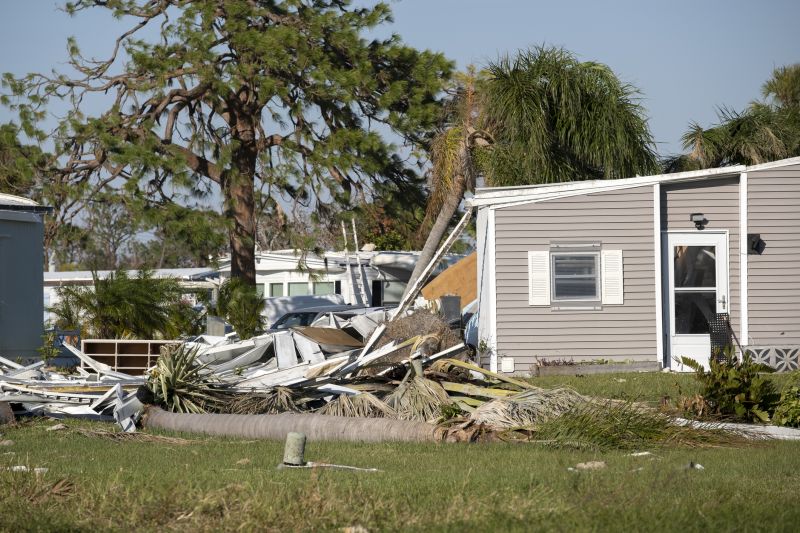
The short, realistic tool list for quality Storm Restorations.
Rough timing from prep to clean-up for Storm Restorations.
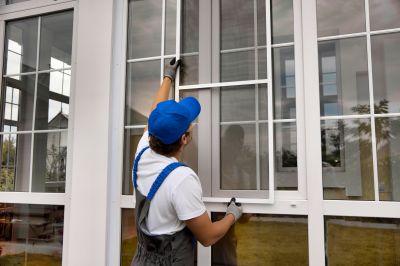
Quick checks and paperwork to keep after Storm Restorations.
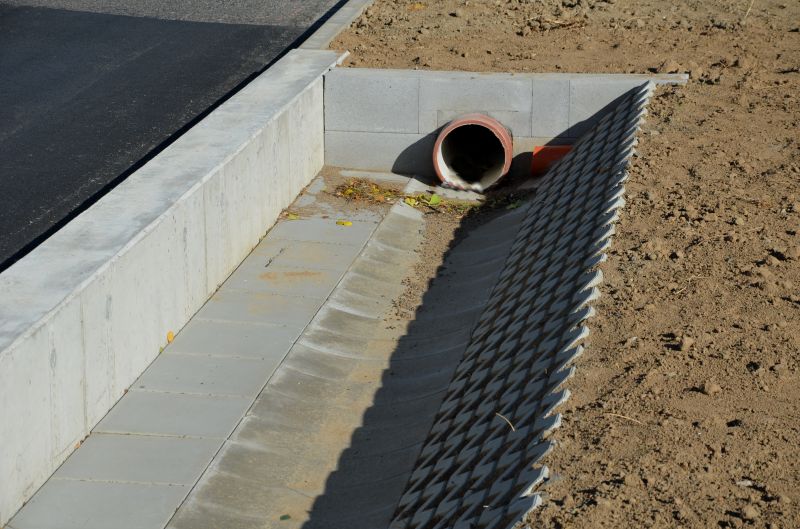
Examples that show the impact a good Storm Restorations can make.

Ways to make Storm Restorations work in tight or awkward layouts.

Ways to make Storm Restorations work in tight or awkward layouts.
Individuals interested in storm restorations are encouraged to contact for more information or to schedule assessments. Prompt action can help ensure properties are restored efficiently and effectively, reducing vulnerability to future weather events.